Know your numbers: useful restaurant reports with OneView
Postree Blog · Reports & Analytics · September 2026
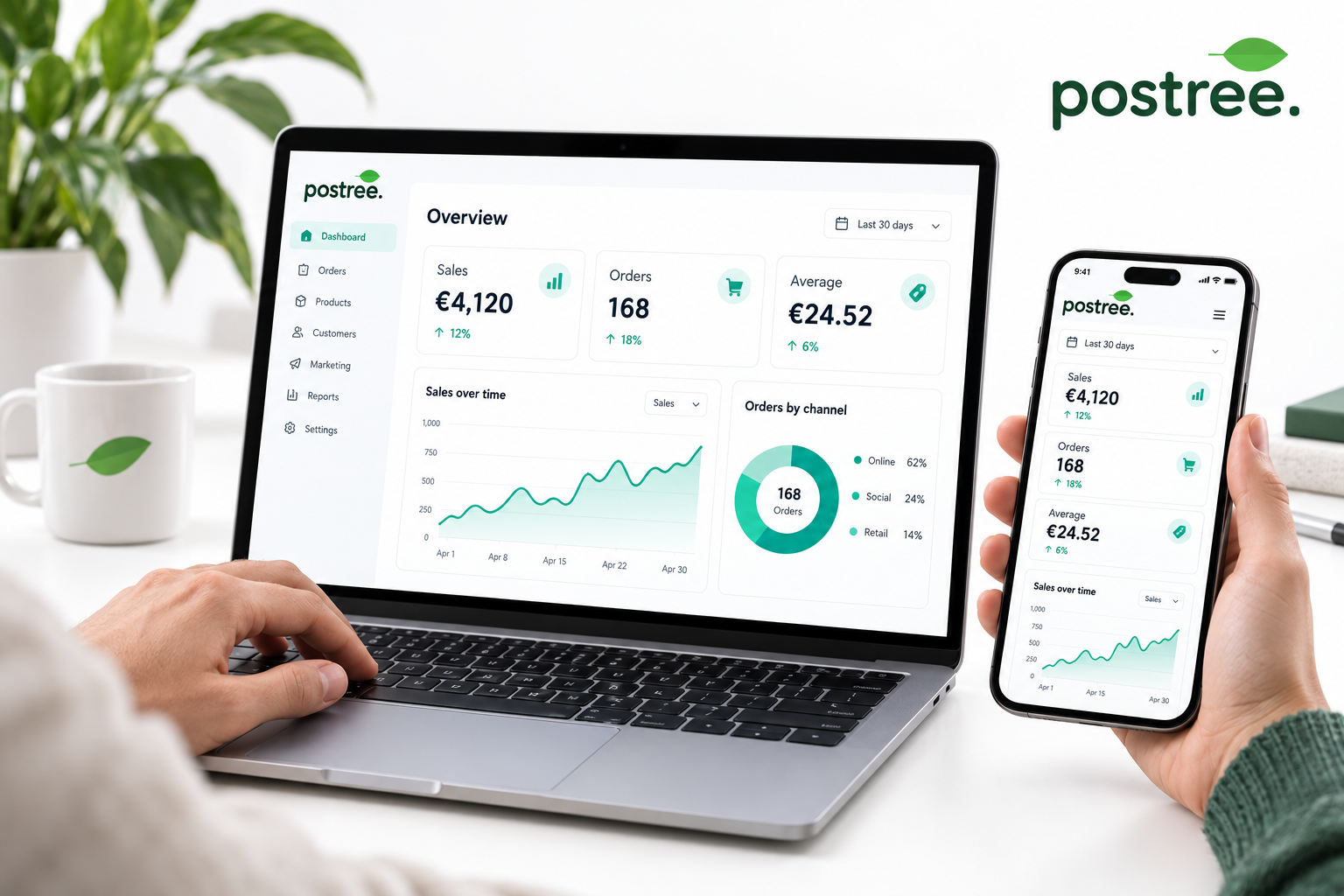
A sales total is useful, but it rarely explains the whole day. A venue may be busy for a short period and quiet for the rest. A popular item may require more preparation than expected. An owner may need to check trading while working at another location.
Postree Reports & Analytics brings sales, staff and inventory information into reporting tools, while OneView provides access to business information from supported phone, tablet and web views. The best use of those tools is to answer a decision, rather than simply watch a dashboard.
The use case: a café reviewing its lunch service
Consider a café that believes lunch is consistently its strongest trading period. The manager increases staffing every weekday, but some afternoons remain quiet. Looking only at daily revenue hides the difference between a busy forty-minute peak and a sustained two-hour service.
Hourly sales and order patterns can give the manager a better starting point. Product mix information shows what customers are buying, while staff time information helps the business compare coverage with actual demand.
The solution: establish a short reporting routine
Choose a small set of questions. Which periods are busiest? Which items sell consistently? Where do refunds or corrections need investigation? Are stock records showing shortages that should be checked before service?
Postree’s reports support views across time periods and information about products, staff and stock. OneView is useful when an owner needs a connected overview away from the main terminal, including a multi-location view where configured.
Use the same definitions when comparing periods. Decide whether a figure is gross sales, net sales or another measure, and keep that basis consistent. A comparison becomes less useful if one week includes a different trading window or a large private event.
Where the efficiency comes from
A consistent report can reduce time spent collecting figures from different places. More importantly, it can help a manager act earlier: investigate a stock discrepancy, review a quiet period or prepare for a repeat trading pattern.
Restaurants can use product and service trends when reviewing staffing and menus. Takeaways can compare collection and delivery demand. Bars can examine when trade builds, while multi-site operators can compare locations without treating unlike venues as identical.
Turn observations into a test
If a report suggests a change, make it specific. For example, trial a different preparation schedule for the lunch peak and compare a similar week. Record relevant context, such as weather, events or changed opening hours.
Stock and labour figures depend on accurate entries and configuration. Use reports to identify questions and then check the operational explanation with the team. Avoid judging an employee on sales alone when roles and shifts differ.
Ask for a Postree reporting demonstration using the questions you currently struggle to answer. A useful dashboard should make the next decision clearer.